




Has Science Found the Fountain of Youth?

I was recently going through some photos and found one from my ninth birthday party. At that stage, birthdays are something to look forward to. Getting older meant there would be a party, presents, and a cake. I don’t know about you, but it’s been a long time since I’ve felt excited about aging, and I’ve met very few adults who feel differently.
When she developed a chronically painful knee, my grandma advised me several times, “Don’t get old.”
While the grace with which we age is influenced by lifestyle choices, genes and cellular health are primary drivers. Like just about everything, our cells change as we get older. In addition to working less efficiently, they also begin to behave differently.
Genes become less active, cellular waste accumulates, and the mechanisms responsible for maintaining and repairing cells become less effective.
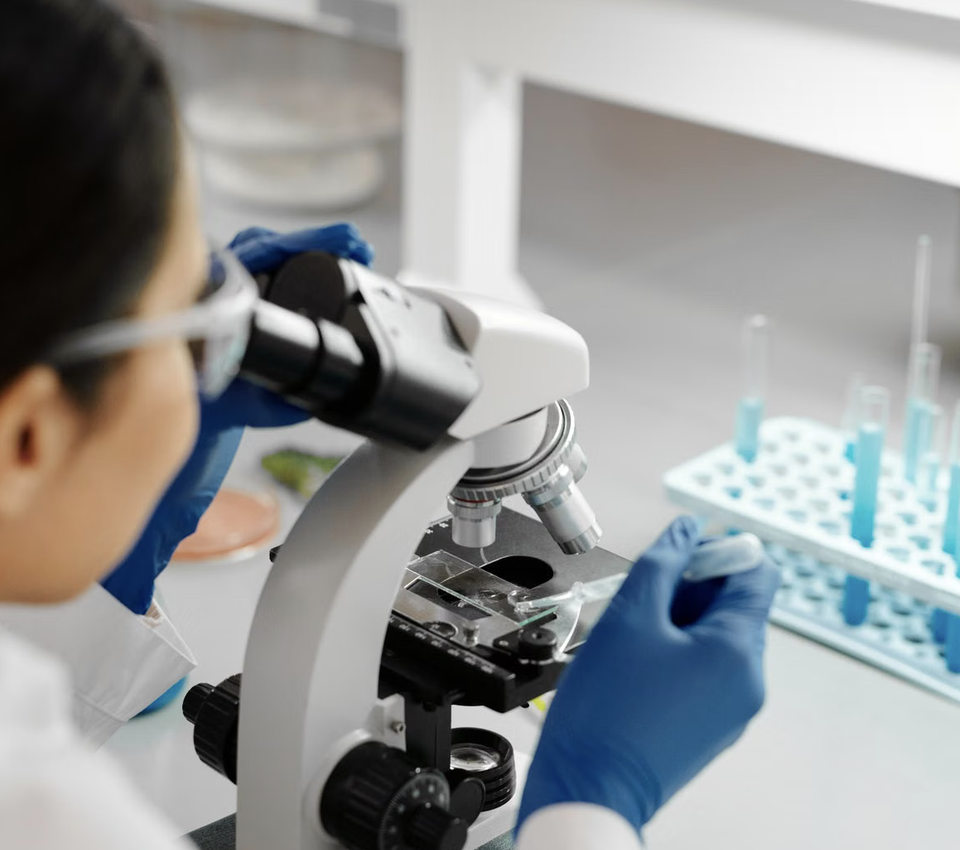
But researchers are now asking, “Can we turn back some of the biological effects of aging?” Scientists at Stanford University School of Medicine are experimenting with stem cells to find out.
Stem cells are unique in that they can develop into many different types of cells in the body. The scientists have learned that certain proteins can instruct an ordinary adult cell to return to a much younger, stem-cell-like state.
In their experiments, exposing older human cells grown in the laboratory to these proteins began showing characteristics of younger cells. Changes occurred in how cells used and regulated their genes, and some of the molecular markers used to estimate a cell's biological age essentially grew younger, some by several years.
The researchers then treated muscle stem cells taken from older mice and transplanted them back into the animals. The treated cells functioned better, and the older mice experienced improved muscle strength.
They also tested cartilage cells from people with osteoarthritis. After the treatment, the cells produced fewer inflammatory substances and demonstrated improved ability to function and reproduce.
The researchers are excited about these findings, and they may one day prove revolutionary, but it isn’t yet the fountain of youth. This science is very young and a long way from safely performing this type of treatment throughout the human body.
However, this research suggests that at least some of the biological changes associated with aging may be more reversible than previously believed. Aging may not be a one-way street after all.
In the meantime, the best tools we have for maintaining youthful function are the tried-and-true: regular exercise, nutrient-dense foods, sufficient sleep, well-managed stress, and time spent with people important to us.
 |
 |
|
|
|
|
Slipstream
This sounds very promising, and I was ready to sign up, but I guess I'll have to wait. In the meantime, I'll do my best to follow the plan you suggested. Of course, I do have to have the occasional scoop of ice cream or "sliver" of chocolate cake 🤫😄
Homeless Valley
Aging has so much to do with our diet as you've pointed out before. So many additives, chemicals, preservatives, colorings, none of which have been studied fully. But we know they aren't safe since so many of these chemicals have been banned in Europe, but not here. And it's not like we don't sell these products to Europe, they just are sold without the chemicals, but not here. It's likely the reason that in the U.S. 1 in 3 people now are likely to get cancer compared to one in ten just 40 years ago. It's the air we breathe, the water we drink, the drugs we're prescribed, and the junk we eat. And we keep on doing it. Instead of studying what will reverse our aging, they should ban all the junk invented to extend the life of all our foodstuff, clean up the air, and purify our water supply.