




Congress Pushes To End Anonymity On The Internet

Last fall, Jonathan Gavalas, 36, fell in love with a Google Gemini chatbot that convinced him she was real. He was newly divorced, so the bot had enough sense to play to his emotions, teasing she was his queen and he was her husband.
Soon, the engaging chat took a dark turn. The chatbot suggested he commit suicide, assuring him they'd join up together on "the other side." He was scared, but the bot didn't relent. Instead, she walked him through each step of slitting his wrists until he followed through and died.
Despite AI's known and predictable dangers, and regardless of any tragedies befalling vulnerable human beings like Gavalas, there's no plan to legislate sensible guardrails that would keep other AI users safe. Instead, a package of 12 bills that abolishes our right to use a pseudonym online is working its way through Congress.
AI is free to pretend to be someone it's not. But we the people may soon not merit that same privilege.
For centuries, authors have used pen names to avoid censorship, harassment, and misogyny that dismissed works authored by women.
Mary Ann Evans, the English novelist and poet, was known as George Eliot. And, George Sand was the nome de plume of French novelist, Amantine Lucile Aurore Dupin de Francueil, who famously wrote, "There is only one happiness in life, to love and be loved." Mark Twain was also a pseudonym. His real name was Samuel Langhorne Clemens.
Our founding fathers, we should remember, birthed this nation through the use of pseudonyms. This was essential for preserving anonymity and protecting their safety when publishing the Federalist Papers. Under the name Publius, they safely argued without hesitation in favor of a national government and the adoption of the Constitution. The anti-federalists also protected themselves, expressing their views under pseudonyms.
Since its inception, the internet has flourished with users choosing to use pseudonyms for various legitimate reasons. So one must question the real motives behind this new package of laws which positions itself as benefiting child safety.
Child safety is critical. But strong laws to protect children are already in place. Existing compliance laws enable law enforcement to track down bad actors through their IP address in cooperation with the user's Internet Service Provider. State-mandated laws require social networks to comply with minimum age requirements. But a law that forces the verification of one's age would also mean divulging one's real name and social security number.
Using a real name places dissenting voices and whistleblowers at risk. The web makes it easy for haters to find your address and track you down. It makes it easy for critics to be permanently silenced. Think Melissa Hortman.
Our right to free speech, as conceived by the founding fathers, never hinged on identity. People had a right to express themselves openly—or anonymously if they feared retribution. This was essential to the premise of free speech.
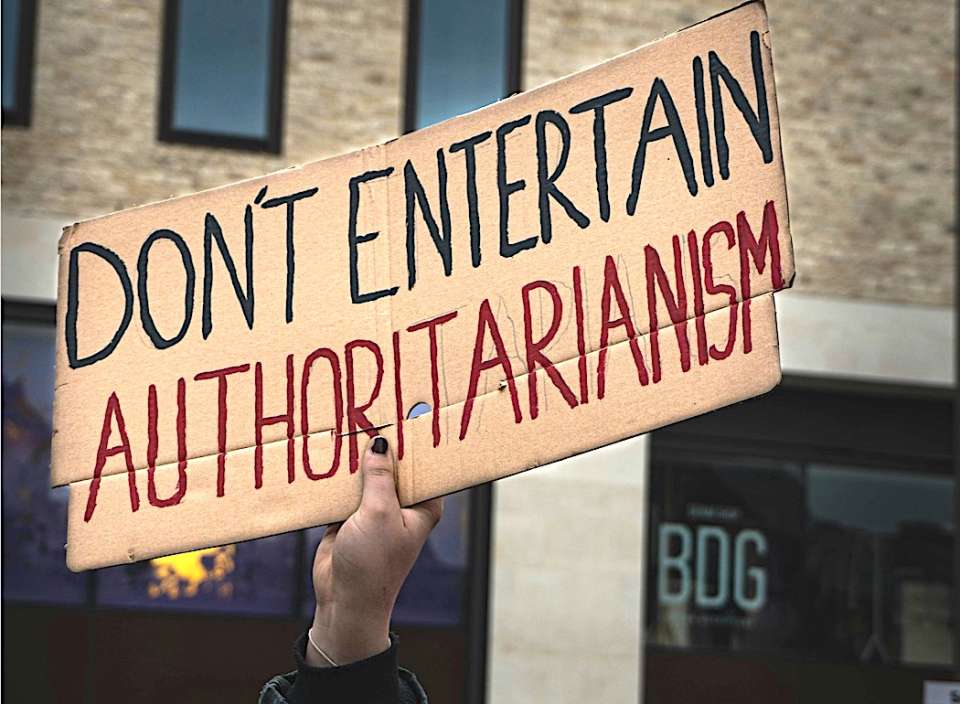
Today, it seems there is a great forgetfulness about this nation's founding reasons for free speech. Or, there's a proactive authoritarian drive to seize more of our fundamental rights.
Sanatana
Fascinating piece. I have a video that addresses the AI issues that we are experiencing and how we are being scammed. I will post soon.
Slipstream
Just one more example of the magician (our government) using misdirection on the audience (we, the people) to gain more control over us.
Well Street
When I first heard about the "pseudonym abolishment" bills, my first thought was that maybe the online trolls that relentlessly harass and make life miserable for their victims would be unmasked and figuratively neutered.
I then wondered what the flip side of this coin would look like and how the bills would negatively impact regular folks like us. The information you've written about has clearly answered that question.
Thank you!