




Four Truths That Matter Today More Than Ever

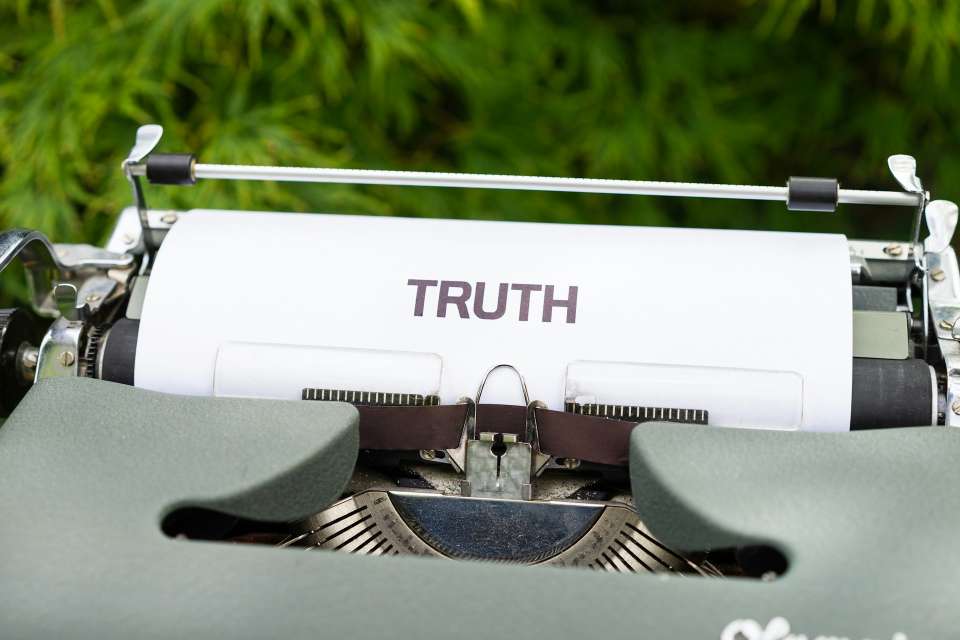
Some people are wondering if the truth matters anymore. If it does, how do we get to the truths that matter most?
Deep down, we understand the value of being truthful. We know justice hinges on it. We also know that lies are betrayals that shake people to their core.
At this moment, Trump's most ardent supporters admit they feel like dupes. Instead of cleaning up the swamp in Washington, he's focused on building a grandiose ballroom and launching wars that don't put America first.
Complicating our moment with truth is the growing use of artificial intelligence, which easily puts the power of deception into everyone's hands. Through social media and beyond, we have avatar newscasters who spew propaganda, AI-generated hucksters using Oprah's face to sell weight loss scams, cute cats jumping on trampolines, and artificial monks selling pathways to holiness.
With so many people learning how to deceive others for profit, we can easily guess that the truth is irrelevant at this point.
But consider that nearly one hundred years ago Walt Disney manufactured fiction with his own cute animated characters, and fifty-two years ago Michael Crichton was the first to use computer-generated imagery in his film Westworld. At the time, nobody claimed this was the end of truth. They viewed these as a progression of technology in fiction and entertainment—much like AI is doing today.
No one knows yet if AI will undo our world. But as real people, we can do a lot to sustain truth in our personal lives. It begins with being honest with ourselves and others, and giving our kids all the reasons to do the same.
The truths that will personally hold us up during these transitional times are the same truths that will hold societies up. They begin by asking ourselves four questions. If we can answer them honestly for ourselves, they will give us the basic knowledge we need to survive and thrive.
Here are the four questions. Can you answer them honestly?
1. Am I loved?
Knowing you are loved assures you there are people you can lean on today and, hopefully, in the future.
Love is trustworthy. You can depend on it and find peace in it. Wherever love is genuine, you can be yourself without feeling judged. This is the easiest way to navigate toward a happier life.
2. Do I feel safe?
If you truly feel safe, it means you have people and resources to comfort you and even see you through tough times. If you don't feel safe, ask yourself what makes you feel unsafe. Narrow that down, and then ask yourself the next important question.
3. Am I struggling?
If you can admit you don't feel safe and are struggling with life, you can seek support from others who will help you out. This will keep you out of shame, anger, blame, and hopelessness.
Ask for help when you need it. People feel empowered when they can help others. Let others bring you back to security, faith, and joy.
4. Am I being truthful with others?
Telling the truth is probably everyone's greatest social responsibility. When you commit to it, you'll survive better than those who don't.
Lying to others gives others permission to lie to you or even lie about you. Being forthright and genuine also creates strong bonds and fosters greater security within your circle of family and friends. These are the people who will ultimately show up for you when you need them.
Fearing the world around us is counterproductive. Even if fiction takes over the world, it won't stop the truth from living on through the realities we share with each other. Embracing these realities and working through them together will help build the better world we all seek.
Slipstream
Yes, to all of them. #3, yes, I struggle from time to time, and I'm fortunate to have a close-knit support unit to help lift me when I need it, and I do the same for them. Also, I'm always happy to see the friendly, good-natured tone that we have here on Youtropolis. We can be who we are and feel safe.