




What type of people resort to insults?

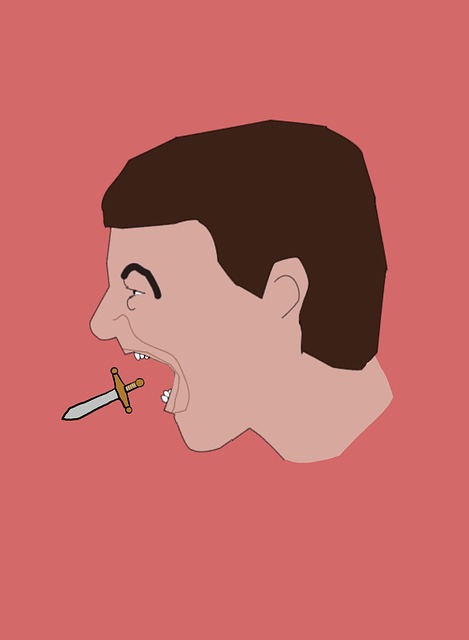
There are some people out there--and maybe you've come across some of them--who communicate very poorly. In fact, their default way of communicating is via insults.
People who resort to insults are typically emotionally immature. They lack the tools to manage their emotions when disagreements arise. Some may dish out insults to assert their dominance and/or to feel superior to others.
Let's do a deeper dive ...
Here's a breakdown of the types of people who might use insults:
1. The Emotionally Immature Person
They are unable to regulate their emotions when confronted with a disagreement. They might lash out as a coping mechanism when they perceive they are being criticized or feel overwhelmed.
2. The Power & Control Seeker
These people insult others to establish their superiority, assert dominance, or demean another person. When they insult someone, they make themselves feel better and more powerful. And it's all at someone else's expense. They don't care.
3. Negative People
These people are often bitter, lack empathy, and are generally rude. They can also be patronizing and overly cocky.
4. Insecure People
These people often reveal their vulnerabilities by the insults they dish out. Pay close attention. For example, someone who insults a person whose hair is thinning, may be preoccupied with their own hair loss.
Now, keep in mind, not all insults are intentional. Sometimes, badly given advice or inappropriate sarcasm, can be viewed as an insult. This person may just lack the ability to communicate effectively.
When it comes to insults, there is no shortage out there. You have probably been the victim of an insult yourself.
Sometimes the best way to handle an in insult is: crickets!
Have you been insulted? If so, how did you handle it?
Slipstream
Years ago, my boss was a red-faced, out of control screamer. He targeted the sales people because, in his opinion, they were incompetent and not bringing in enough new business. Although I and the people in my department weren't his targets, it was hard on all of us, hearing him yell nasty words to others daily.
One day, I went to lunch and when I came back, the big boss from New York was there. He told me that my boss was no longer employed, and he wanted me to run the office. Oh boy, what a job that was, but employees being screamed at became a thing of the past.
My boss had the all the traits you point out in your article. They signal fear and weakness, not courage and confidence.
Fortunately, I personally don't experience this too often these days. Although it's certainly demonstrated in politics and business, and we all feel the angst of that.
And thanks for your spot-on essay.
Sanatana
Thank you for sharing your story! They sure chose the perfect person for the job!
Well Street
Like many people, I recall times during my school-aged years, especially junior high, when I was teased with insults. Though I often responded by not responding (crickets), it wasn't because I was taking the high road; rather, I was too insecure to stand up for myself.
Though I haven't had an insult directed toward me in a long time, I'd handle it differently today.
All four of your categories reminded me of different people I've known over the years and made me wonder if they're still saddled with that personality.
Sanatana
I'm happy you don't have to deal with insults anymore. Recently, I had a family member send me a petty text over basically nothing. It was a scolding text and I didn't appreciate it. I ended up addressing the text very non-confrontationally, but it didn't do any good. She couldn't admit that she'd over-reacted. Looking back, I wish I'd done the "cricket" thing. Talking to her like an adult didn't do anything at all; it only enraged her all the more and now she's ignoring me. She is, I realize more now than ever, emotionally immature and doesn't have the capacity to reason. Defensiveness is her weapon of choice. And her reason for the scolding text? "I was really upset." She was unable to regulate her emotions. I should have known better than to approach her like a normal adult, but I can rest assured I did nothing wrong. Unfortunately, she doesn't manage emotions well and it will affect the family in the long run.